
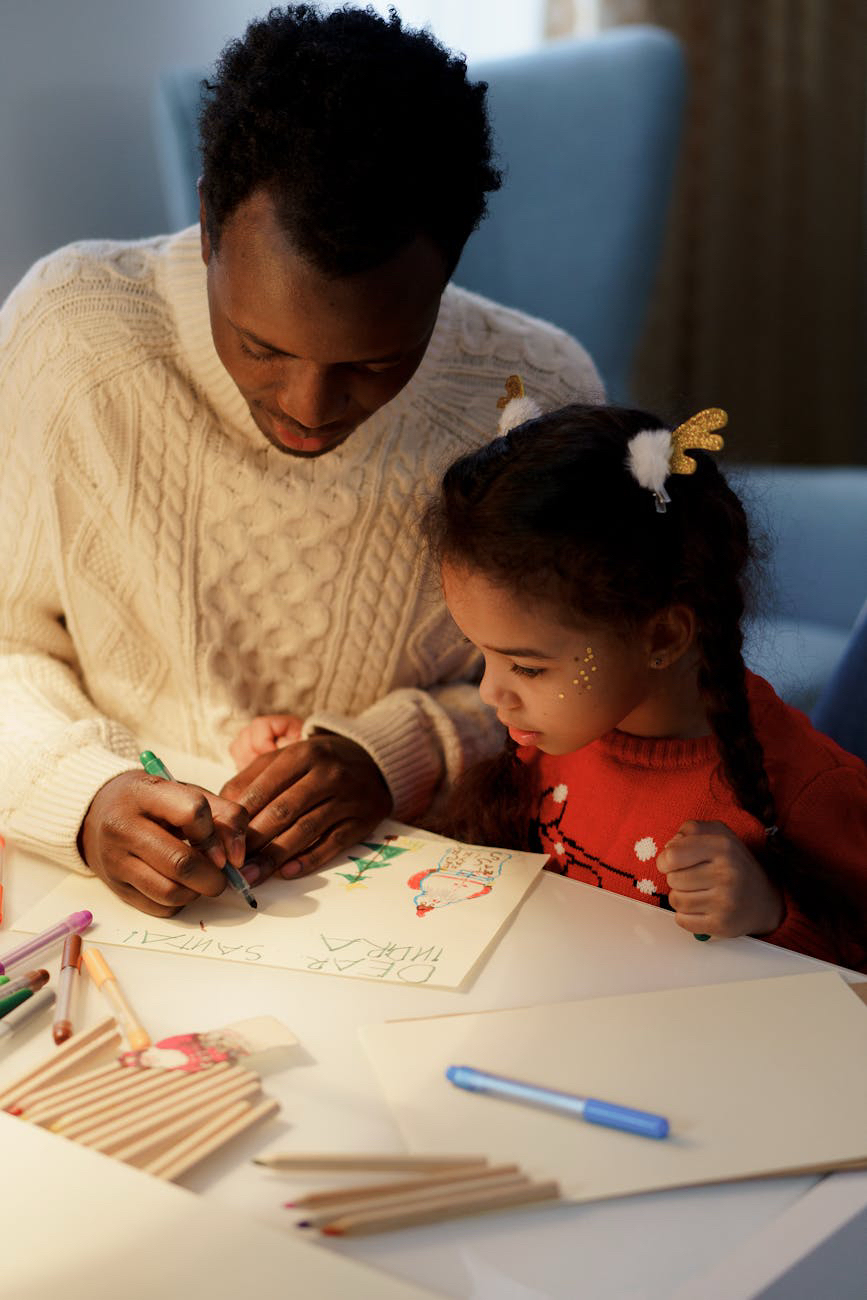
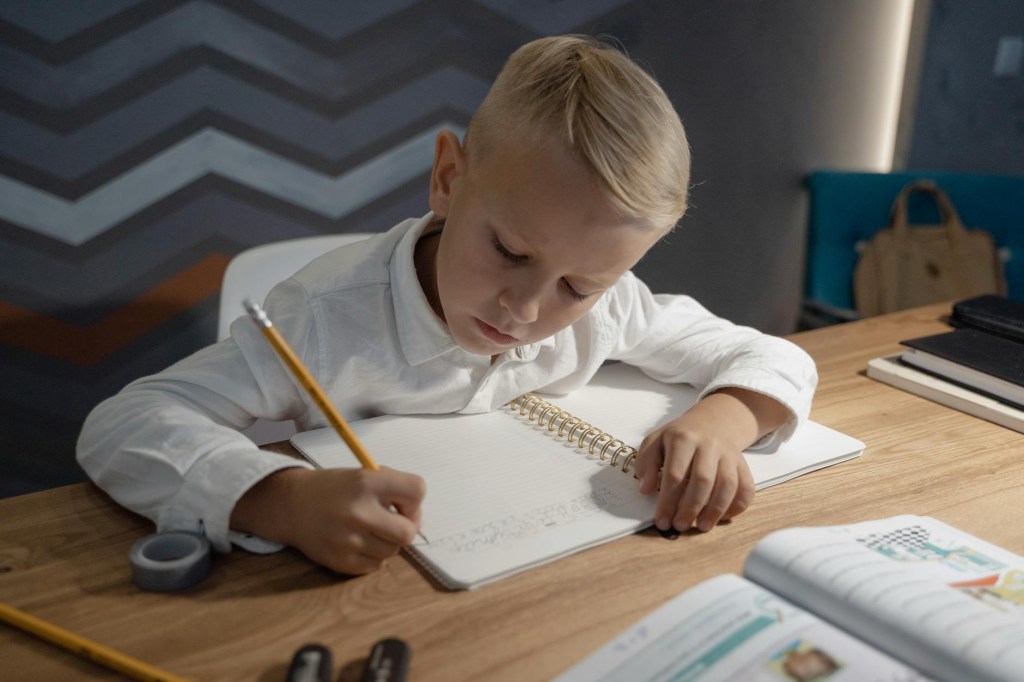
Developing a good pencil grip is a crucial part of early childhood development. It forms the foundation for confident handwriting, fine motor skills, and long-term writing success. In this blog post, we’ll explore how to support young children to develop a proper pencil grip, including age-based milestones, fun fine motor activities, and practical advice for parents and educators.
Why Is Pencil Grip Important for Young Children?
A proper pencil grip allows children to:
- Write more comfortably and efficiently
- Develop handwriting fluency and accuracy
- Avoid hand fatigue and tension
- Improve fine motor control and coordination
- Build confidence in early writing and drawing tasks
When a child uses an awkward or inefficient grip, it can lead to frustration, poor handwriting, and reluctance to engage in writing activities. That’s why it’s so important to help them build the skills they need from the start.
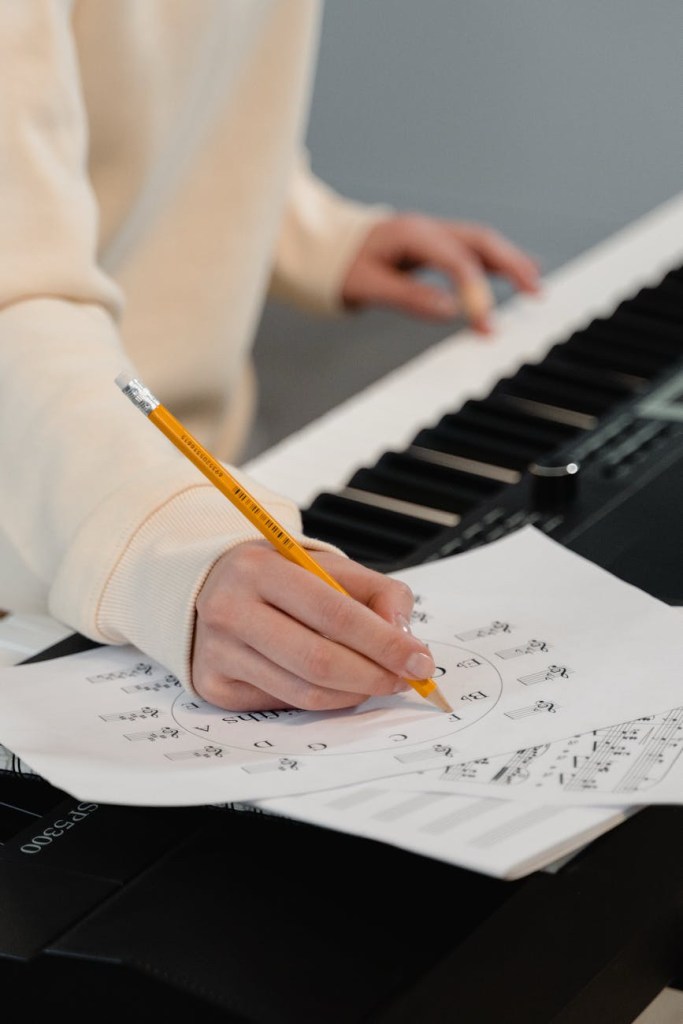
Pencil Grip Development by Age: What’s Typical?
Understanding the developmental stages of pencil grip helps adults support children in an age-appropriate way. Most children progress through the following stages:
12–18 months: Palmar Supinate Grip
The crayon is held in a closed fist with the palm facing down. Movements come from the shoulder
2–3 years: Digital Pronate Grip
The crayon is held with fingers pointing downwards; movement still comes from the shoulder and elbow
3.5–4 years: Four-Finger Grip or Static Tripod Grip
The crayon is held with three or four fingers, movement is less coordinated and from the wrist or elbow
4.5–6 years: Dynamic Tripod Grip
The pencil is held with thumb and index finger with support from the middle finger. Movement is controlled from the fingers.
Key term to know: The dynamic tripod grip is the most efficient and commonly recommended grip for writing. Most children develop this between ages 5 and 7.
While the dynamic tripod grip is considered the most efficient and ergonomic grip for writing, it’s not the only functional grip. Some children use alternative grips—like the quadrupod grip (using four fingers), or lateral tripod grips—that may still be comfortable, controlled, and legible.
If a child has a grip that:
- Is comfortable
- Allows them to write legibly
- Doesn’t cause fatigue or pain
…then intervention may not be necessary, even if it doesn’t fit the ideal model.

Best Activities to Support Pencil Grip Development
Building a good pencil grip begins long before a child picks up a pencil. Start with fine motor activities that strengthen the fingers, hands, and wrists.
Fine Motor Skills Activities to Improve Pencil Grip:
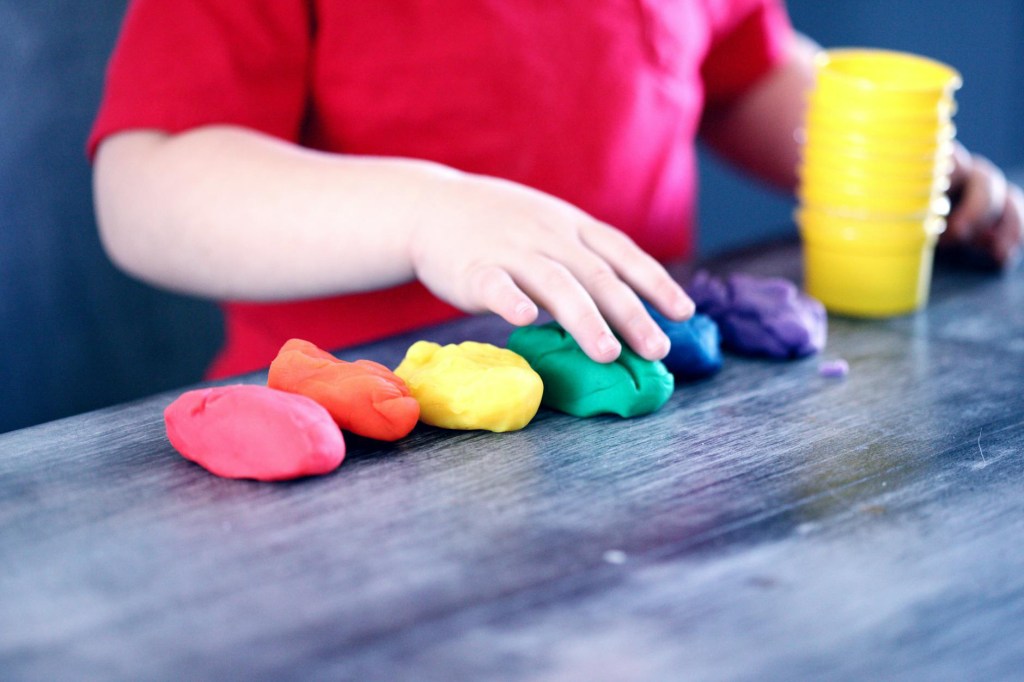
- Playdough or clay play – Rolling, squashing, pinching and cutting help build hand muscles.
- Threading beads or pasta – Encourages precision and hand-eye coordination.
- Using tweezers or tongs – Try sorting small objects like pom-poms or buttons.
- Sticker peeling and placing – Strengthens pincer grasp and finger isolation.
- Scissor skills – Cutting along lines builds control and hand strength.
- Lego or small construction toys – Manipulating tiny pieces helps develop fine motor coordination.
(More on Lego here)
Gross Motor & Shoulder Strength Activities:
Children need strong shoulders, arms, and core muscles to control hand movements for writing. These activities build postural stability and upper body strength:
- Crawling – Through tunnels or obstacle courses
- Animal walks – Crab walks, bear crawls, and frog jumps
- Swinging and climbing – Monkey bars, rope swings, or trees
- Drawing or painting on vertical surfaces – Whiteboards, easels, or chalk walls
- Pushing activities – Wall push-ups or pushing heavy toys like wheelbarrows
These gross motor activities support the proximal stability children need before developing distal control (fine motor skills in the hands and fingers). (You might like more family hobby ideas here)
How Parents Can Help Develop Pencil Grip at Home
Supporting a child’s pencil grip at home doesn’t require worksheets or formal lessons. Here are practical ways to help:
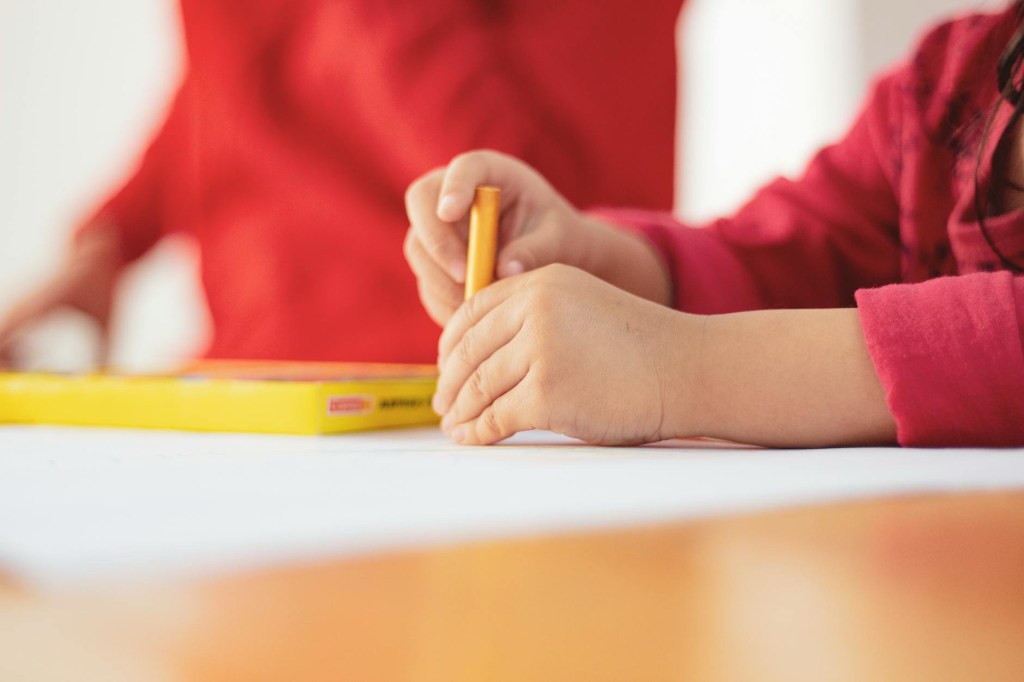
- Use short or broken crayons – This encourages proper finger placement and prevents fist grips.
- Try pencil grips or pencil trainers – Soft grips gently guide fingers into the correct position.
- Encourage drawing on vertical surfaces – Magnetic boards, chalk walls, or easels promote better wrist extension.
- Play before writing – Let children warm up with fine motor play before any writing or drawing tasks.
- Model the grip – Show your child how you hold your pencil and talk about finger placement.
Tip: Writing readiness comes from play, not pressure. Prioritise play-based motor development over early handwriting practice. (You can read more on activities to do with children here)

What If a Child Has a Poor Pencil Grip?
It’s normal for children under 6 to experiment with different grips. However, if a child:
- Has an uncomfortable or inefficient grip beyond age 6
- Shows signs of hand fatigue or avoids writing
- Struggles with letter formation or writing stamina
…they may benefit from extra support. Start with hand-strengthening activities and pencil grip tools. If concerns continue, seek advice from a paediatric occupational therapist.
Final Checklist: How to Support Pencil Grip Development
Here’s a quick summary of what helps:
- Focus on fine motor activities like playdough, threading, and scissor work.
- Include gross motor play that builds shoulder and arm strength.
- Use appropriate-sized tools—short crayons, thick pencils, or pencil grips.
- Understand typical grip progression and don’t rush the process.
- Support at home with simple, play-based approaches.
- Reduce pressure around writing and keep it fun!
You might like to read more on how to encourage your child to want to learn, read, and write here)
Conclusion: Helping Children Hold a Pencil the Right Way
Developing a correct pencil grip is about more than just how a child holds a pencil—it’s about building the whole-body strength, coordination, and confidence they need to become successful writers.
By focusing on fun fine motor activities, gross motor play, and age-appropriate expectations, you’re giving your child the best possible foundation for a lifetime of writing.
 The Growing Way Tuition: Home page