
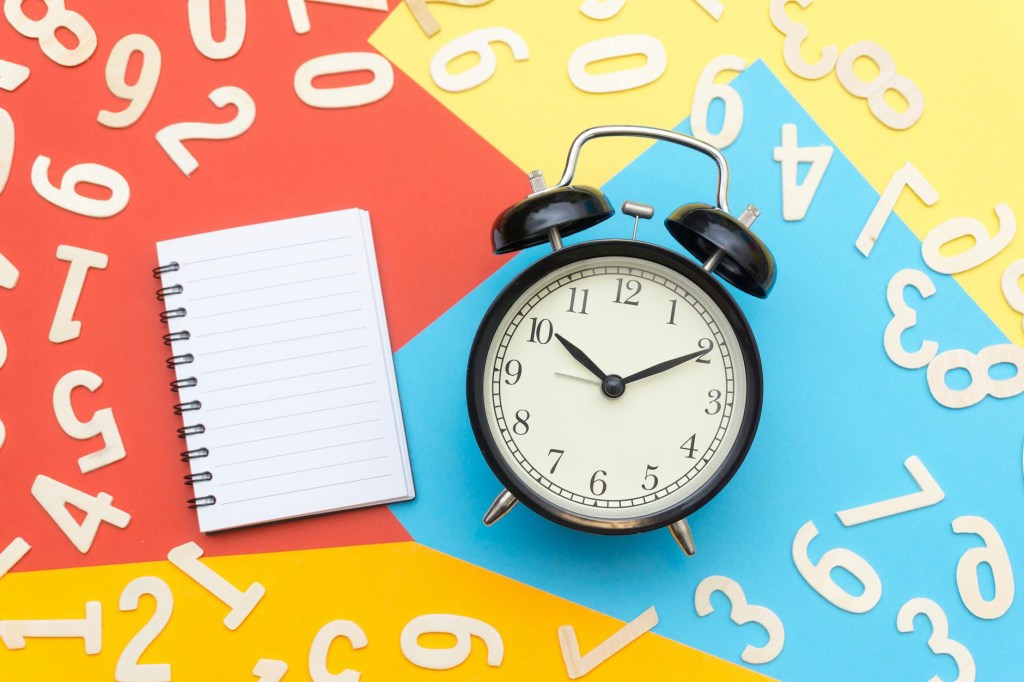
Understanding the concept of time is a huge developmental milestone for young children—and it doesn’t happen overnight. As adults, we rely on time constantly, but for children, time is an abstract idea that requires support, experience, and practice to fully grasp.
In this post, we’ll explore how children develop an understanding of time, their typical developmental milestones, and practical, playful support strategies for parents to use at home.

How Do Young Children Perceive Time?
For toddlers and preschoolers, time is lived through routine, emotion, and experience. They often understand time in terms of now, soon, and later, without a true grasp of seconds, minutes, or hours.
Key ideas:
- Time is relative to events: “After lunch” or “before bed” makes more sense to children than “at 1pm”.
- Time feels emotional: Waiting for five minutes might feel like an eternity if they’re excited or bored.
- Young children are present-focused: Abstract future and past concepts take time (pun intended!) to understand.

Typical Developmental Stages of Time Understanding
Every child is unique, but here are general milestones to expect:
2–3 years
Can follow simple routines (e.g., bedtime after bath).
3–4 years
Recognise daily sequences (morning, afternoon, evening). May understand “yesterday” and “tomorrow” in a limited way.
5–6 years
Begin to read clocks (often digital first). Understand basic concepts like minutes, hours, days of the week.
7+ years
Grasp calendar time, sequencing events, and begin telling analog time confidently.

Support Strategies for Parents: Making Time Make Sense
Here are child-friendly ways to support your child’s growing understanding of time:
1. 📆 Use Visual Timetables and Routines
Children thrive on predictability. Using a visual daily schedule helps them connect time to tasks.
Try this:
- Picture card showing breakfast, playtime, lunch, nap, etc.
- Add a “Now/Next/Later” board to give structure.
2. ⏰ Introduce Clocks in Playful Ways
Children love roleplay. Use toy clocks, songs, or games to gently introduce telling time.
Activity Ideas:
- “What’s the time, Mr Wolf?”
- Create a cardboard clock with movable hands.
- Use a sand timer or stopwatch during activities like brushing teeth or tidying.
3. 📅 Talk About Time Often
Use real-life experiences to introduce concepts like yesterday, today, and tomorrow.
Example:
“Yesterday we went to the park. Today we are going shopping. Tomorrow we’ll bake cookies.”
4. 🧩 Link Time to Stories and Sequences
Stories help children understand the order of events. After reading a story, ask:
- What happened first?
- What happened next?
- What happened last?
Bonus tip: Use visual sequencing cards for storytelling or real-life routines (e.g. getting dressed, baking a cake).
5. 📆 Use a Child-Friendly Calendar
Introduce days of the week and months of the year using songs, colour-coded calendars, and stickers.
Make a habit of looking at the calendar daily. Children love marking birthdays, holidays, and countdowns to exciting events!

Extra Tips for Parents
- Be patient. Understanding time is a gradual process.
- Don’t worry if your child confuses yesterday and tomorrow—it’s common.
- Practice in small doses: short games and discussions work better than long lessons.
- Praise effort rather than correctness.
Final Thoughts
Helping your child learn about time is more than just teaching them to read a clock. It’s about building their sense of routine, understanding order, and developing patience. Through play, conversation, and daily life, you’ll help them form a solid foundation for time awareness.
By combining developmental knowledge with playful strategies, you’ll not only make learning time fun—you’ll also support your child’s overall cognitive and emotional growth.

Love, Heather x
 The Growing Way Tuition: Home page